Momentum Shifts in Ice Hockey – How to Spot Them in Time


Momentum Shifts in Ice Hockey – How to Spot Them in Time
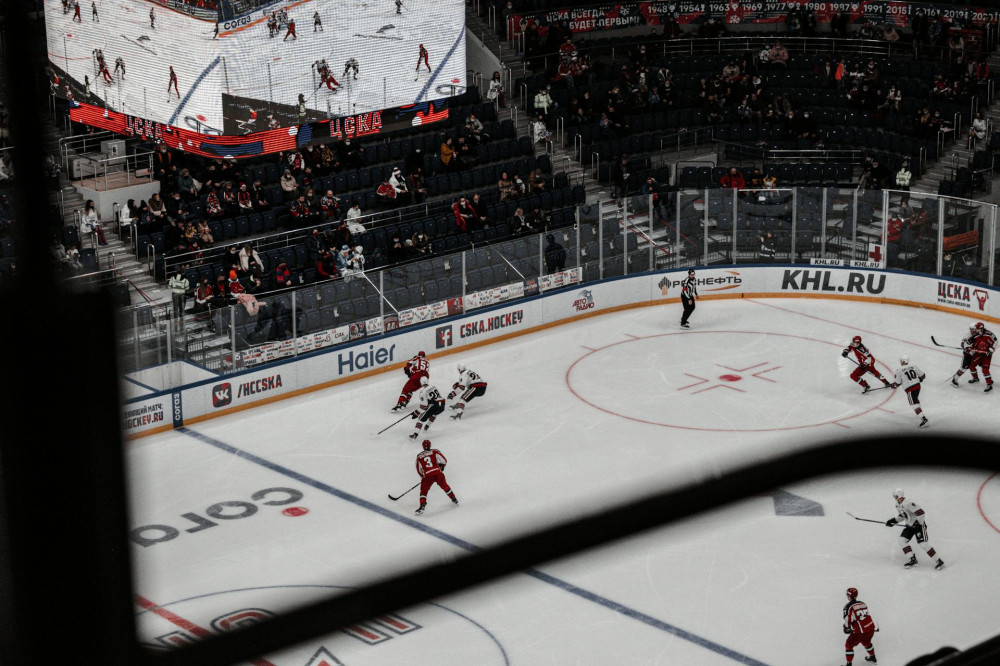
Ice hockey is a sport of speed, skill, and emotion – and often, the outcome of a game is decided by something that doesn’t show up clearly in the stats: momentum. A team can dominate for several minutes, only to suddenly lose control as the other side takes over. For players, coaches, and fans – especially those following live betting markets – the ability to recognise a momentum shift before it becomes obvious can make all the difference.
Here’s a guide to spotting those subtle signs that the tide is turning – and how to use that insight to your advantage.
What Is Momentum in Ice Hockey?
Momentum is the psychological and tactical wave a team rides when everything starts to click. It’s not just about goals; it’s about energy, confidence, and control. A team with momentum wins puck battles, keeps possession deep in the offensive zone, and plays with visible belief. The other side suddenly looks heavy, hesitant, and error-prone.
Momentum can swing several times in a single game – sometimes within seconds. A big save, a crunching hit, or a power play opportunity can completely change the flow.
Signs That Momentum Is Shifting
Spotting a momentum shift is about reading the rhythm of the game. Here are some of the clearest indicators:
- Shot pressure and puck possession – When one team starts piling up shots and spending more time in the attacking zone, it’s a strong sign they’ve seized control.
- Body language – Players who chase every puck, celebrate small wins, and communicate actively radiate energy. Opponents who skate passively or hang their heads are losing grip.
- Crowd energy – In British arenas, the crowd can be a real factor. When the home fans rise and the noise level spikes, it can lift the team and rattle the visitors.
- Special teams – A successful penalty kill or a power play goal can flip the emotional balance instantly. These moments often mark the turning points in a game.
- Goaltending heroics – A goalie making several key saves in quick succession can “steal” momentum back, even when their team is under siege.
How Coaches and Players React
The best coaches sense momentum shifts before they’re obvious. They might call a timeout to calm things down, shuffle their lines, or send out a physical player to change the game’s energy.
Players, meanwhile, try to reset the tone through small but decisive actions – winning a faceoff, getting the puck deep, or delivering a clean, hard hit. These moments can restore rhythm and belief.
Læs også:



Momentum and Live Betting
For those watching with a bet in play, momentum is one of the most fascinating – and challenging – dynamics to read. Odds move quickly, but markets often react only after a shift is already visible.
If you can spot the change a minute or two before the bookmakers do, there’s potential value. That said, it takes experience to distinguish between a brief surge and a genuine swing in control.
A smart approach is to combine observation with data: track shot attempts, faceoffs, and zone time, but also trust your feel for the game’s tempo. Ice hockey is as much about psychology as it is about numbers.
Keeping a Cool Head
Momentum swings can be dramatic – especially if you’ve got money on the line. It’s easy to get caught up in the emotion, but discipline is crucial.
- Don’t chase losses – A sudden goal against doesn’t mean the game is over.
- Stick to your plan – Decide in advance when you’ll bet and when you’ll hold off.
- Let observation, not emotion, guide you – Momentum is real, but it can deceive if you only see what you want to see.
Conclusion: Momentum Is the Game’s Pulse
Understanding momentum in ice hockey is like feeling the heartbeat of the game. It’s about noticing what happens between the goals – the subtle shifts in energy, pace, and belief.
For players and coaches, it can be the difference between victory and defeat. For fans and bettors, it’s the key to reading the game more deeply.
Once you learn to spot momentum shifts in time, you don’t just watch ice hockey – you truly understand it.
Læs også: