The Coach’s Role in Fight Analysis – The Overlooked Factor in Boxing Betting

The Coach’s Role in Fight Analysis – The Overlooked Factor in Boxing Betting
When people talk about betting on boxing, the focus usually falls on the fighters – their form, records, and fighting styles. But there’s one crucial element that often slips under the radar: the coach. In a sport where margins are razor-thin and strategy can decide the outcome, the influence of a coach is far greater than most punters or oddsmakers account for. A skilled coach can reshape a fight’s dynamics, prepare a boxer to exploit an opponent’s weaknesses, and even control the tempo and psychology of the bout.
The Coach as the Strategic Architect
A boxing match isn’t just a physical contest – it’s a tactical chess game. The coach acts as the architect behind the game plan. They study the opponent, identify patterns in movement, punch combinations, and defensive habits, and then design a strategy to capitalise on those observations.
For anyone analysing a fight, understanding the type of coach behind a boxer can be vital. Some coaches are known for producing aggressive, front-foot fighters, while others specialise in defensive discipline and counterpunching. A change of coach can therefore signal a major shift in fighting style – and that can have a direct impact on how a fight is likely to unfold.
Preparation – More Than Just Training
Much of a coach’s work happens far from the cameras. It’s about preparing the boxer mentally and physically for a specific opponent. The coach oversees sparring, nutrition, recovery, and tactical drills to ensure the fighter peaks on fight night.
For bettors who like to dig deeper, following reports from training camps can offer valuable clues. Are there rumours of injuries, changes in the coaching team, or adjustments in training methods? These details can provide early indicators of whether a boxer is fully prepared – or not.
In the Corner on Fight Night
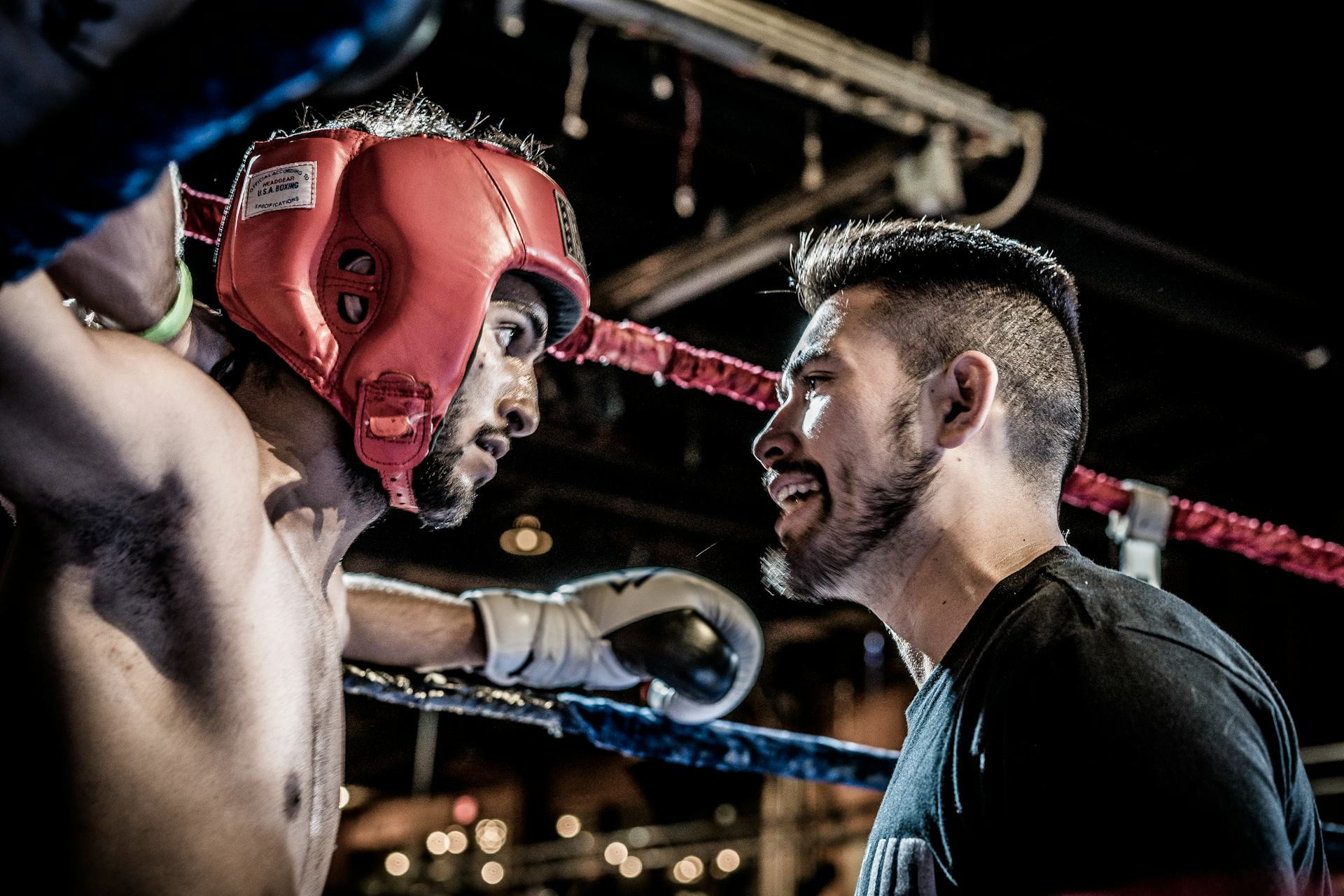
During the fight itself, the coach’s influence becomes even more visible. Between rounds, it’s the coach who must read the action and make adjustments. A few well-chosen words can shift momentum, while poor advice can cost a victory.
Some coaches excel at motivating and calming their fighters, while others focus on technical corrections. Observing how a coach reacts under pressure can reveal a lot about how their boxer will handle adversity – and that insight can be invaluable when assessing how a fight might develop.
Studying the Coach’s Track Record
Just like fighters, coaches have their own track records that can be analysed. Which boxers have they worked with before? How have their fighters performed against different styles of opponents? A coach who has consistently guided boxers to success against, say, slick counterpunchers, may hold a tactical edge if their current fighter faces a similar challenge.
Factoring a coach’s history into your fight analysis can provide a more complete picture of the likely outcome. It’s a dimension many overlook, but it can often be the difference between an informed bet and a blind guess.
The Human Connection
Boxing may be an individual sport, but the relationship between boxer and coach is deeply personal. Trust, communication, and chemistry play enormous roles. A boxer who doubts their coach can lose focus, while a strong partnership can elevate performance to new heights.
When analysing a fight, it’s worth considering how well the boxer and coach work together. Have they been a team for years, or is the partnership new? Are there signs of tension or disagreement? These human factors are hard to quantify, but they can have a major impact on what happens in the ring.
Læs også:


A New Dimension in Fight Analysis
Incorporating the coach’s role into fight analysis takes a bit of extra research, but it can offer a real edge. In a sport where odds often reflect the obvious factors, understanding the subtler influences – like the coach’s impact – can be the key to finding value.
So next time you’re thinking about placing a bet on a boxing match, don’t just look at the fighter’s record and recent form. Ask yourself: Who’s in the corner? What strategy are they bringing? And how has that approach worked in the past? The answers to those questions might just separate the average punter from the sharp analyst.
Læs også:


