Use Betting Bonuses to Test New Analysis Methods in Cycling

Use Betting Bonuses to Test New Analysis Methods in Cycling
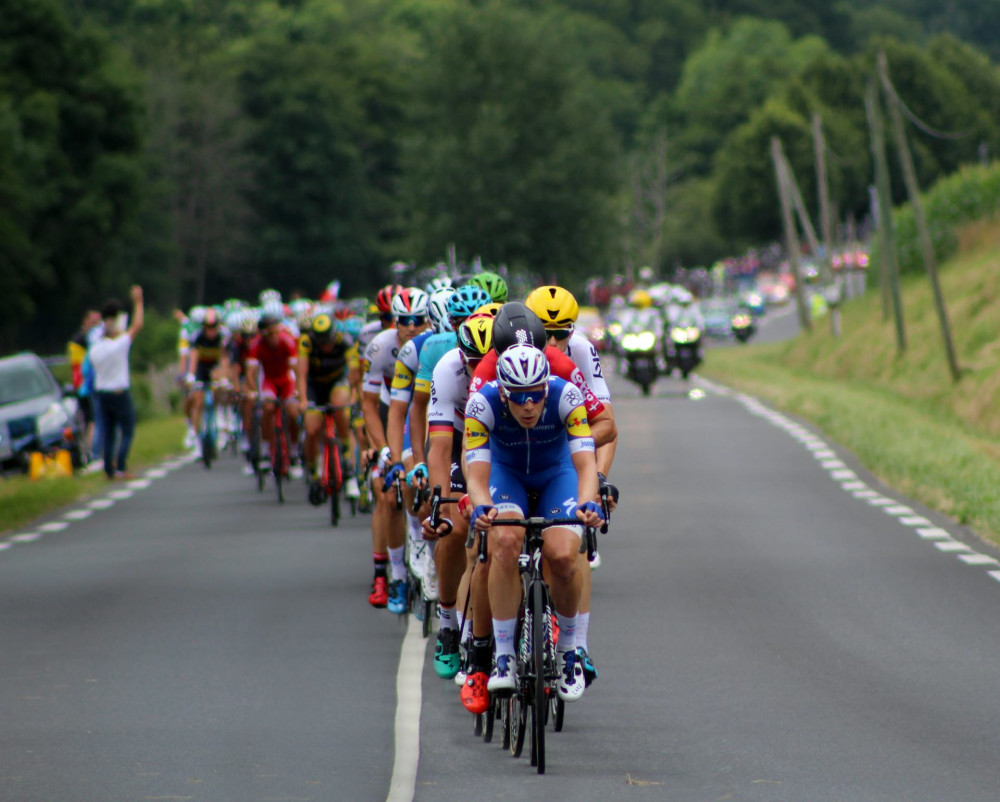
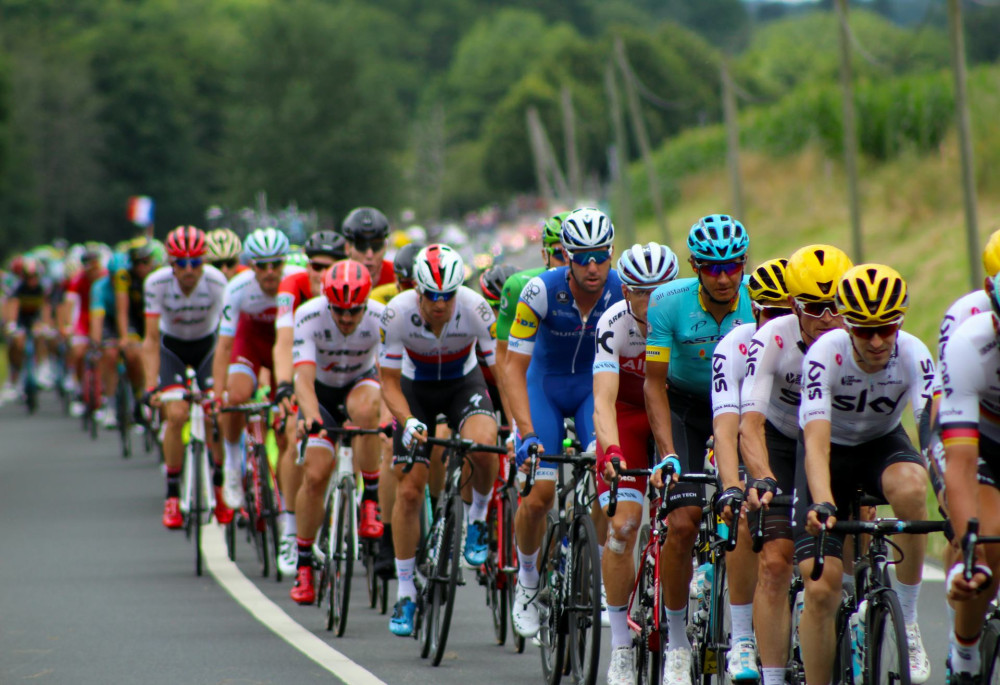
Cycling has become one of the most data-driven sports in the world. Teams, analysts, and fans rely on advanced models to predict performances, assess routes, and compare riders. But for the average cycling enthusiast, it can be difficult to test personal analysis methods in a real-world setting—especially without risking large sums of money. This is where betting bonuses can play an interesting role: they allow you to experiment with strategies and models in a realistic environment, without necessarily spending your own funds.
What Is a Betting Bonus – and Why Use It for Analysis?
A betting bonus is an offer from a bookmaker that gives you extra funds to bet with, often in the form of a free bet or a percentage added to your first deposit. For many, it’s simply a way to add a bit of extra entertainment. But for those interested in data and analysis, it can serve as an experimental tool.
By using bonus funds, you can test your own models for things like:
- Stage type predictions – who performs best on mountain stages, time trials, or windy flat routes?
- Form analysis – how do recent results affect a rider’s likelihood of success?
- Team tactics – how do support roles and team dynamics influence stage outcomes?
In this way, bonuses become a kind of “test capital,” allowing you to experiment with data and hypotheses without taking on financial risk.
Data as the Driving Force in Modern Cycling Analysis
Cycling is a sport overflowing with data: power output, heart rate, elevation profiles, wind direction, and rider positioning. Professional teams use sophisticated algorithms to optimise everything from training to race-day tactics. As a fan, you can access many of the same data sources—public race results, GPS data, and historical statistics.
By combining these data with simple statistical models or machine learning tools, you can start identifying patterns. For example:
- Riders who excel on short climbs often perform well in hilly one-day races.
- Teams with several strong time trialists tend to do better in stage races with multiple time trials.
- Weather conditions can have a bigger impact than many expect—especially in spring classics.
When you link this knowledge to small test bets using bonuses, you gain a practical way to validate your observations.
How to Structure Your Experiments
If you want to use betting bonuses as part of your analysis, think like a researcher: form hypotheses, test them, and evaluate the results.
- Define a focus area – for example, sprint stages in the Tour de France or British riders in one-day races.
- Collect data – use official race statistics, power data (if available), and historical results.
- Build a model – it could be as simple as a points system based on past performances, or as advanced as a regression analysis.
- Apply the bonus funds – place small bets based on your model, and record the outcomes.
- Evaluate – compare your predictions with actual results, and adjust your model accordingly.
This approach turns betting from a game of chance into a practical tool for understanding the sport’s dynamics more deeply.
Ethical and Responsible Use
While betting bonuses can be used as an experimental tool, it’s important to remember that gambling always involves risk. Use bonuses as a learning opportunity—not as a source of income. Set clear limits, and stop if it no longer feels like an experiment but a pressure.
Most UK bookmakers now offer responsible gambling tools to help you manage your activity. Make use of them so that your focus remains on analysis, not on winnings.
Læs også:


From Hobby to Insight
Combining a passion for cycling with data analysis and bonus-based testing can add a new dimension to the sport. You’ll start watching races with an analytical eye, spotting patterns you might otherwise miss, and gaining a deeper understanding of why some riders succeed while others struggle.
For many, it becomes a hobby that blends sport, statistics, and strategy—and ultimately makes the cycling season even more engaging to follow.
Læs også: