Formula, sports car, rally or motorcycle? Know the differences between the series

Discover what makes each motorsport discipline unique
Formula 1
Formula 1
3 min
From Formula 1’s precision engineering to the rugged challenges of rally racing and the daring balance of MotoGP, this guide breaks down the key differences between the world’s most thrilling racing series. Learn how each type of competition tests drivers, machines, and teams in its own way.
Benjamin Simpson
Benjamin
Simpson

Formula, sports car, rally or motorcycle? Know the differences between the series

Discover what makes each motorsport discipline unique
Formula 1
Formula 1
3 min
From Formula 1’s precision engineering to the rugged challenges of rally racing and the daring balance of MotoGP, this guide breaks down the key differences between the world’s most thrilling racing series. Learn how each type of competition tests drivers, machines, and teams in its own way.
Benjamin Simpson
Benjamin
Simpson

The world of motorsport is vast and varied, and for newcomers it can be tricky to tell the difference between the many racing series that take place around the globe. Formula 1, Le Mans, WRC and MotoGP – all deliver speed, skill and drama, but in very different ways. Here’s a guide to the most famous types of racing and what sets them apart.

Formula racing – pure speed and precision

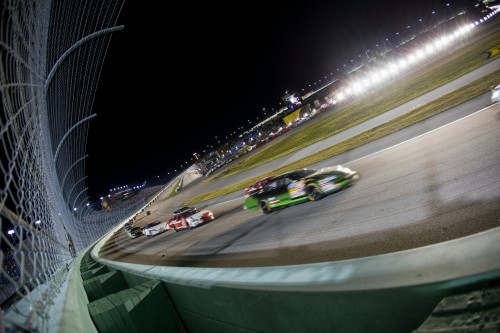
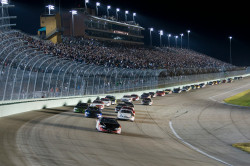
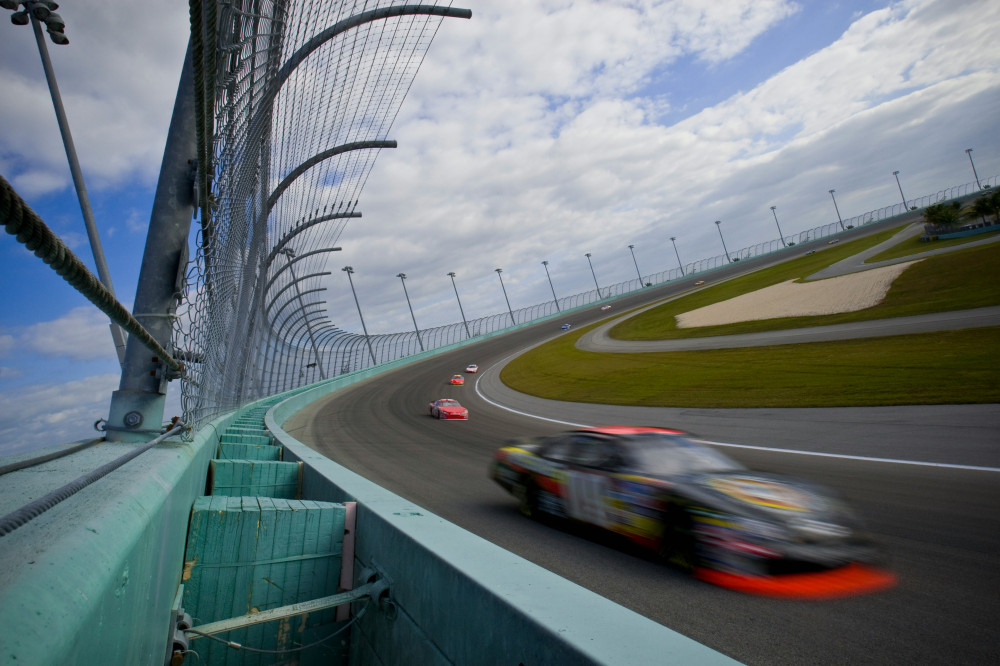
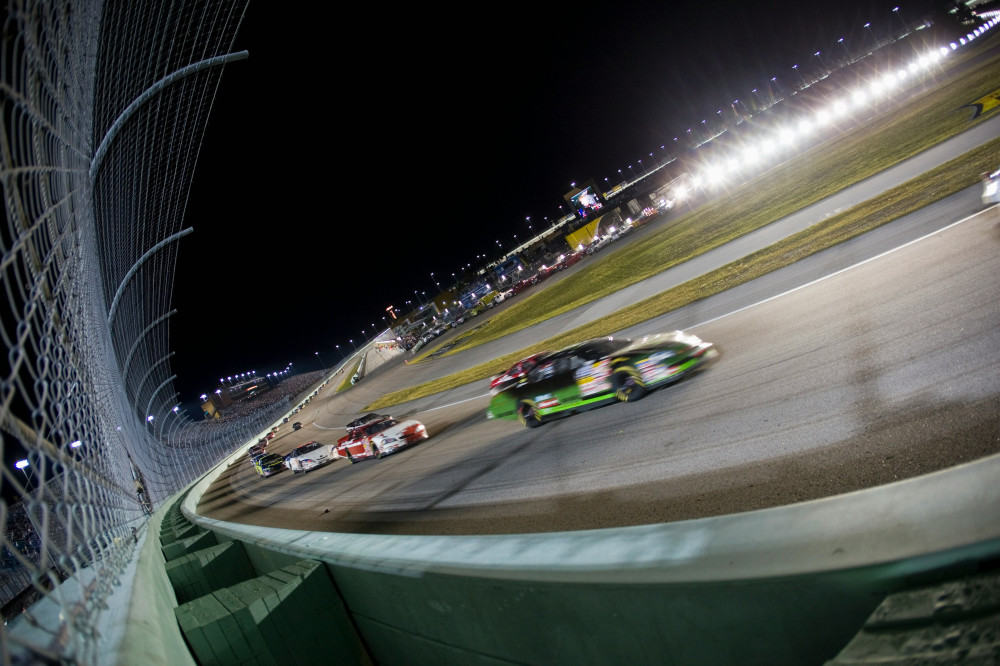
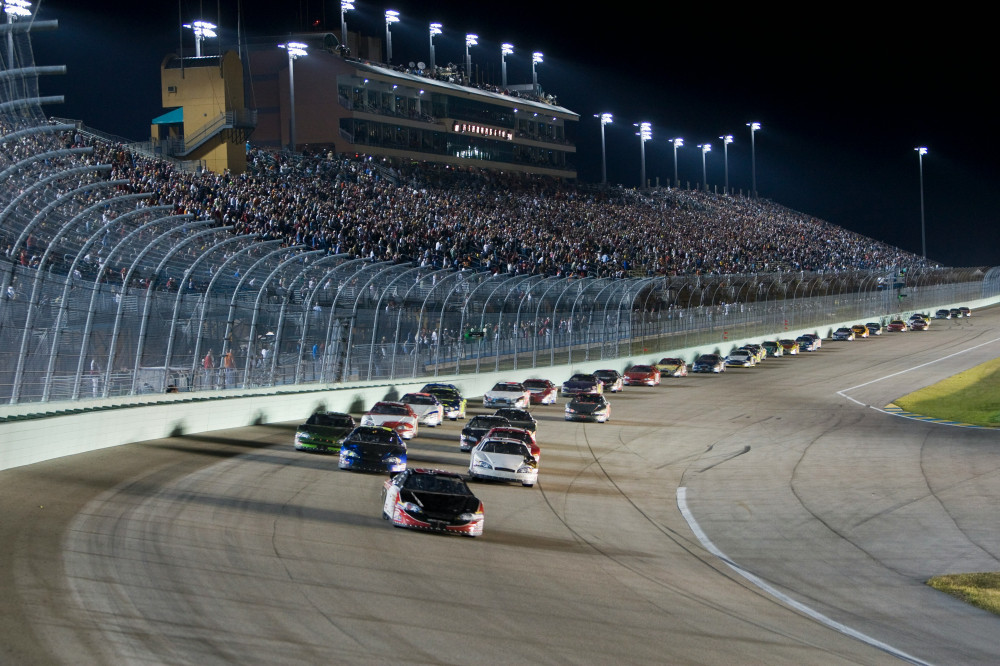
Formula racing is the pinnacle of motorsport. These are open-wheel, single-seater cars built purely for speed on tarmac circuits. The most famous series is Formula 1, where the world’s best drivers compete in machines that represent the cutting edge of aerodynamics, engine development and technology.

F1 cars can reach speeds of over 215 mph, racing on both permanent circuits and temporary street tracks such as Monaco and Singapore. The series is known for its glamour, huge budgets and fierce rivalries between teams like Ferrari, Mercedes and Red Bull.

There are also junior categories such as Formula 2 and Formula 3, where young drivers hone their skills on the road to F1. The cars are slower and more evenly matched, which makes for closer racing and puts greater emphasis on driver talent.

Sports cars – endurance and teamwork

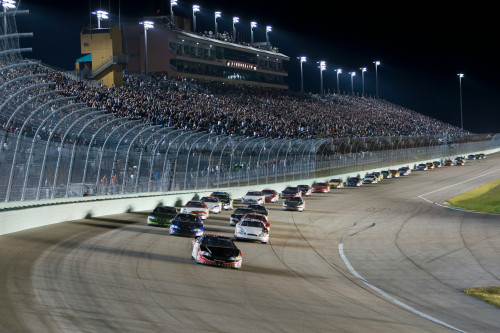
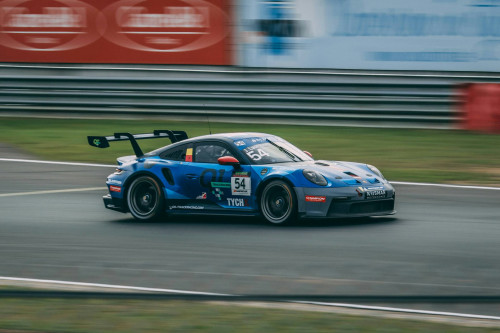
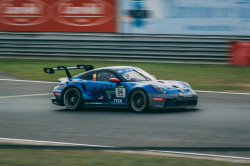
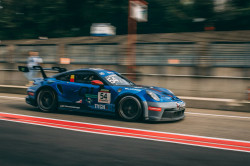
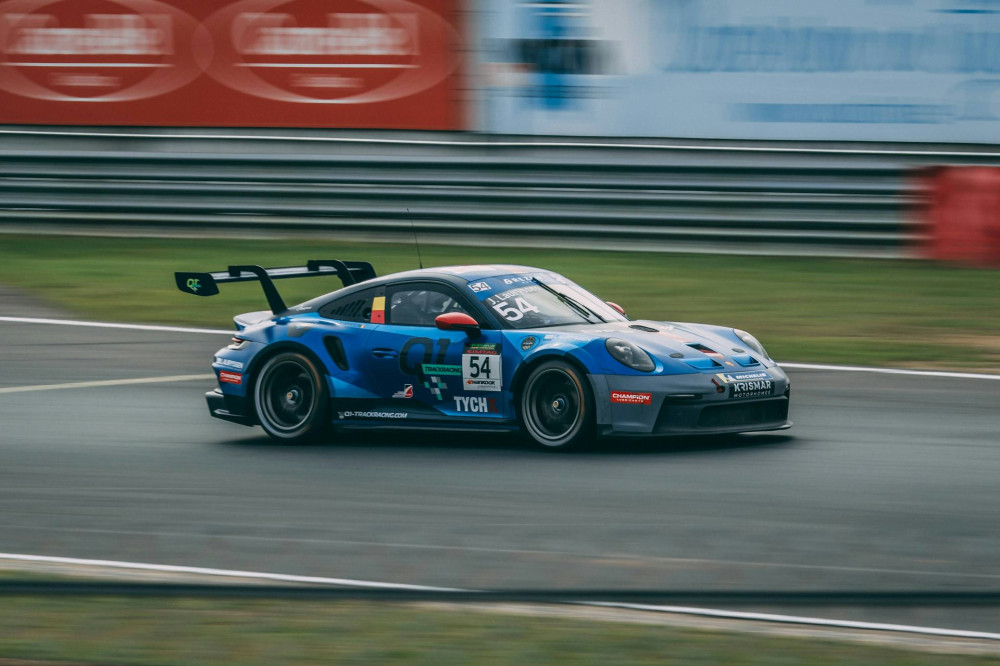
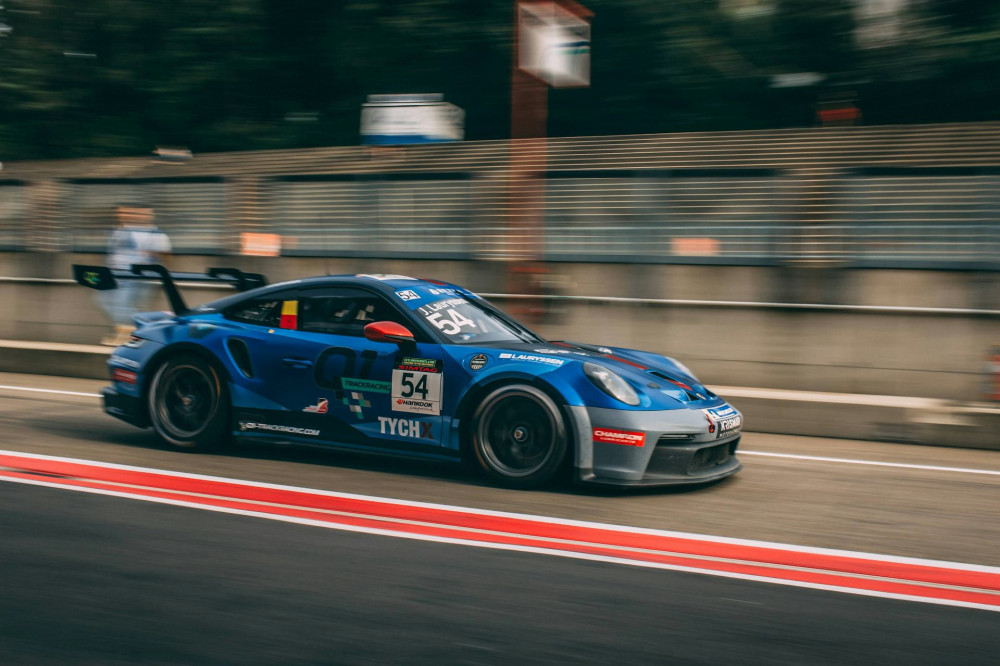
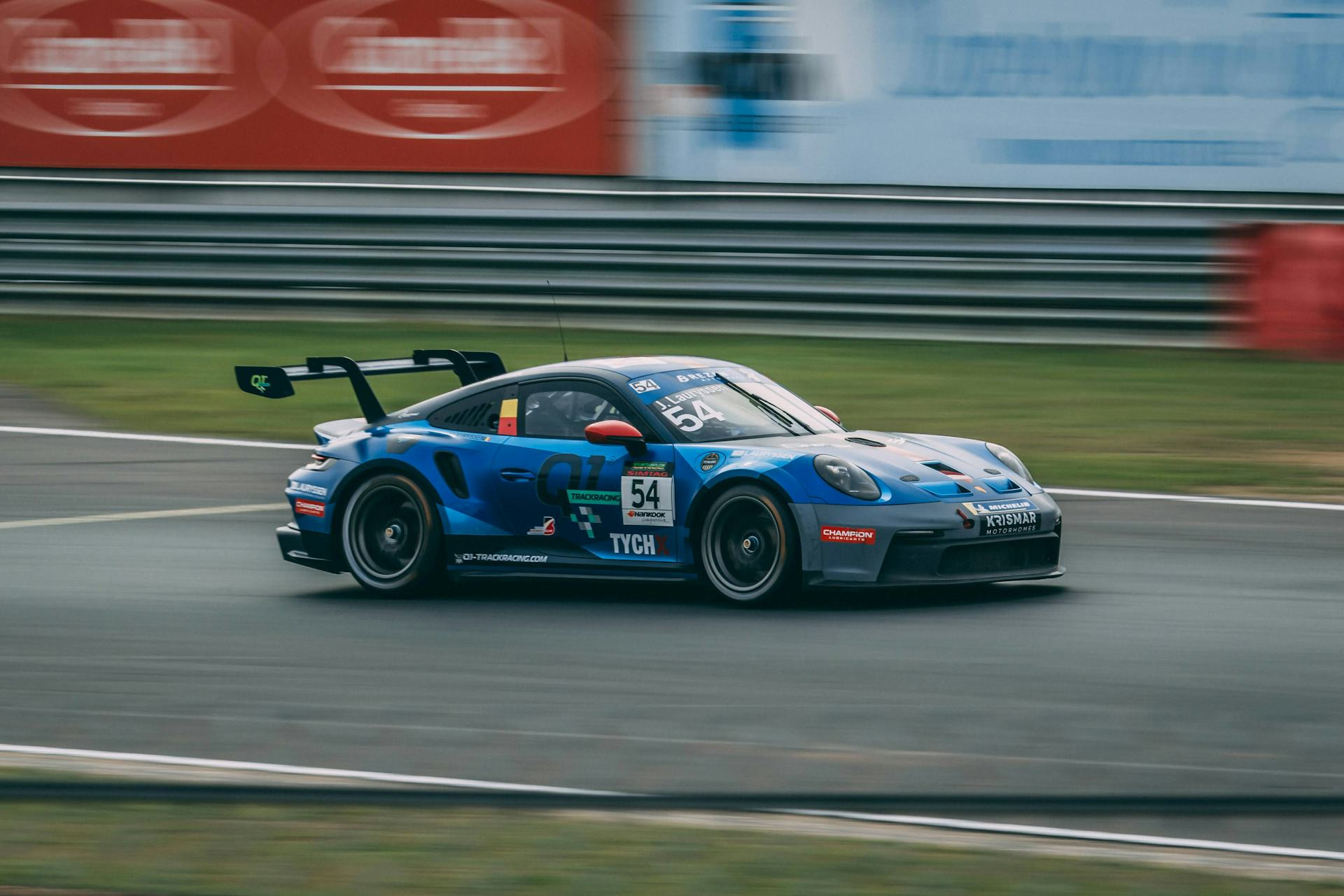
While Formula 1 is about sprinting and precision, sports car racing is all about endurance. These cars often resemble road-going models, but under the skin they are highly advanced racing machines. The most famous series is the World Endurance Championship (WEC), with the legendary 24 Hours of Le Mans as its crown jewel.

Endurance races can last from six to 24 hours, with multiple drivers sharing one car. Success depends not only on speed but also on reliability, strategy and teamwork. Crews must balance pace with mechanical sympathy to ensure the car survives to the finish.

Manufacturers such as Toyota, Porsche and Ferrari use endurance racing to test new technologies – from hybrid powertrains to advanced braking and energy recovery systems – that often find their way into everyday cars.

Rally – speed through nature’s challenges

In rallying, the action takes place on real roads and rough terrain rather than closed circuits. Drivers compete against the clock on timed stages over gravel, tarmac, snow and ice. The top series is the World Rally Championship (WRC), where legends like Sébastien Loeb and modern stars such as Kalle Rovanperä have made their mark.

Rally cars are based on production models but heavily modified with four-wheel drive, roll cages and specialised suspension. A key difference from circuit racing is the presence of a co-driver, who reads pace notes describing every corner, jump and surface change. The partnership between driver and co-driver is crucial to success.

Rallying is perhaps the most unpredictable form of motorsport – weather, terrain and visibility can change in an instant, demanding courage, adaptability and razor-sharp reflexes.

Motorcycle racing – balance and bravery

While most motorsport takes place on four wheels, motorcycle racing is a world of its own. The premier class is MotoGP, where riders control machines capable of accelerating from 0 to 60 mph in under three seconds and reaching speeds above 215 mph.

In MotoGP, the rider is completely exposed – no cockpit, no roll cage, just protective leathers and a helmet. That vulnerability makes the sport both dangerous and captivating. Riders must combine precision, body control and bravery as they lean into corners with knees and elbows grazing the tarmac.

There are also feeder categories such as Moto2 and Moto3, where younger riders develop their craft before stepping up to the top class. These races are often incredibly close, with constant overtaking and dramatic finishes.

What sets them apart – and what unites them

Despite their differences, all forms of motorsport share a common spirit: passion for speed, technology and competition. Formula racing is about engineering perfection, sports car racing about endurance and teamwork, rallying about adaptability and courage, and motorcycle racing about balance and raw skill.

For fans – and for those who enjoy a flutter on motorsport – understanding what makes each series unique adds to the excitement. A Formula 1 title can be decided by thousandths of a second, a rally by reading the road better than anyone else, Le Mans by avoiding mistakes for 24 hours, and MotoGP by a single daring move in the final corner.

Whichever series you follow, motorsport is a thrilling blend of human talent, technical innovation and pure adrenaline – and that’s what keeps fans coming back for more.

Track Characteristics: How Length, Turns and Surface Affect Your Race Predictions
Discover how track design and surface conditions can change the outcome of any race
Formula 1
Formula 1
Motorsport
Race Analysis
Track Design
Performance Prediction
Racing Strategy
2 min
Track length, number of turns, and surface type all play a crucial role in determining race performance. Learn how these factors influence speed, strategy, and driver advantage—and how understanding them can sharpen your race predictions.
Poppy McDonald
Poppy
McDonald
Understand the Risks – and Avoid Getting Caught Up in the Chase for Big Wins
Learn how to enjoy betting responsibly without letting the pursuit of big wins take control
Formula 1
Formula 1
Responsible Betting
Gambling Awareness
Risk Management
Sports Betting
Healthy Habits
4 min
Betting can be thrilling, but the excitement of chasing big wins often hides real risks. This article helps you understand those risks, set healthy limits, and keep betting as a fun and balanced activity rather than a financial gamble.
Elizabeth Evans
Elizabeth
Evans
Losses and Impulses: How to Stay in Control When Betting on Motorsport
Keep your cool and make smarter choices when the race heats up
Formula 1
Formula 1
Motorsport Betting
Responsible Gambling
Racing Strategy
Betting Tips
Self-Control
4 min
Betting on motorsport is fast, unpredictable, and full of emotion. Learn how to manage your impulses, handle losses, and stay disciplined so that your passion for racing doesn’t steer you off course.
Rhiannon Turner
Rhiannon
Turner
Formula, sports car, rally or motorcycle? Know the differences between the series
Discover what makes each motorsport discipline unique
Formula 1
Formula 1
Motorsport
Racing
Formula 1
Rally
MotoGP
3 min
From Formula 1’s precision engineering to the rugged challenges of rally racing and the daring balance of MotoGP, this guide breaks down the key differences between the world’s most thrilling racing series. Learn how each type of competition tests drivers, machines, and teams in its own way.
Benjamin Simpson
Benjamin
Simpson
Set Learning Goals and Think Strategically in Your Motorsport Betting
Turn your passion for motorsport into smarter, more strategic betting decisions
Formula 1
Formula 1
Motorsport Betting
Strategy
Learning Goals
Racing
Betting Tips
2 min
Discover how to approach motorsport betting with a clear plan and a learning mindset. This article guides you through setting personal goals, analyzing races strategically, and building a sustainable routine that enhances both your enjoyment and your results.
Mabel Green
Mabel
Green
Learn to Identify Value Bets Through Market Patterns
Discover how reading market movements can reveal hidden betting opportunities
Bet
Bet
Sports Betting
Value Bets
Market Analysis
Betting Strategy
Data Insights
3 min
Learn how to spot value bets by analyzing market patterns and understanding where odds may not reflect true probabilities. This guide shows how data, discipline, and market insight can help you make smarter, more profitable betting decisions.
Poppy McDonald
Poppy
McDonald
Bankroll Management: The Key to a Stable and Sustainable Betting Economy
Master the art of managing your betting funds for long-term success
Bet
Bet
Bankroll Management
Sports Betting
Responsible Gambling
Money Management
Betting Strategy
4 min
Discover how effective bankroll management can transform your betting experience from risky to sustainable. Learn practical strategies to protect your funds, stay disciplined, and build a stable betting economy that lasts.
Elizabeth Evans
Elizabeth
Evans
Risk and Reward in the Brain – Why We Sometimes Take Irrational Gambles
How our brain’s chemistry drives us to take chances — even when logic says we shouldn’t
Bet
Bet
Neuroscience
Psychology
Decision Making
Behavioural Economics
Human Nature
7 min
From slot machines to stock markets, our brains are wired to seek rewards and sometimes ignore the risks. Discover how dopamine, emotion, and evolution shape our decisions and why “near misses” can keep us hooked on the thrill of the gamble.
Rhiannon Turner
Rhiannon
Turner