Track Characteristics: How Length, Turns and Surface Affect Your Race Predictions

Track Characteristics: How Length, Turns and Surface Affect Your Race Predictions
When you’re trying to predict the outcome of a race – whether it’s Formula 1, MotoGP or touring cars – it’s easy to focus on driver form, team strategy and recent results. But one crucial factor often overlooked is the track itself. Its length, layout and surface can dramatically influence who comes out on top. In this article, we’ll explore how these characteristics shape race performance and how you can use that knowledge to make sharper predictions.
Length: Strategy, Pace and Endurance
A circuit’s length affects far more than just the number of laps. It influences fuel strategy, tyre wear and even driver rhythm.
- Short circuits such as Brands Hatch Indy or the Red Bull Ring tend to produce tight racing and minimal time gaps. Qualifying becomes critical, as overtaking opportunities are limited and a single mistake can be costly.
- Longer tracks like Silverstone or Spa-Francorchamps demand endurance and precision. Weather conditions can vary across different sections, and pit stop timing becomes a key strategic element.
When analysing a race, consider how the circuit’s length suits each team’s strengths. Some cars excel on short, high-speed layouts, while others perform better on long, technical tracks that reward consistency and balance.
Turns: Technique, Balance and Driver Skill
The number, shape and rhythm of corners define much of a circuit’s character – and determine which cars and drivers have the upper hand.
- Tight, slow corners – as seen in Monaco or Singapore – reward cars with strong mechanical grip and drivers who can manage throttle control and patience.
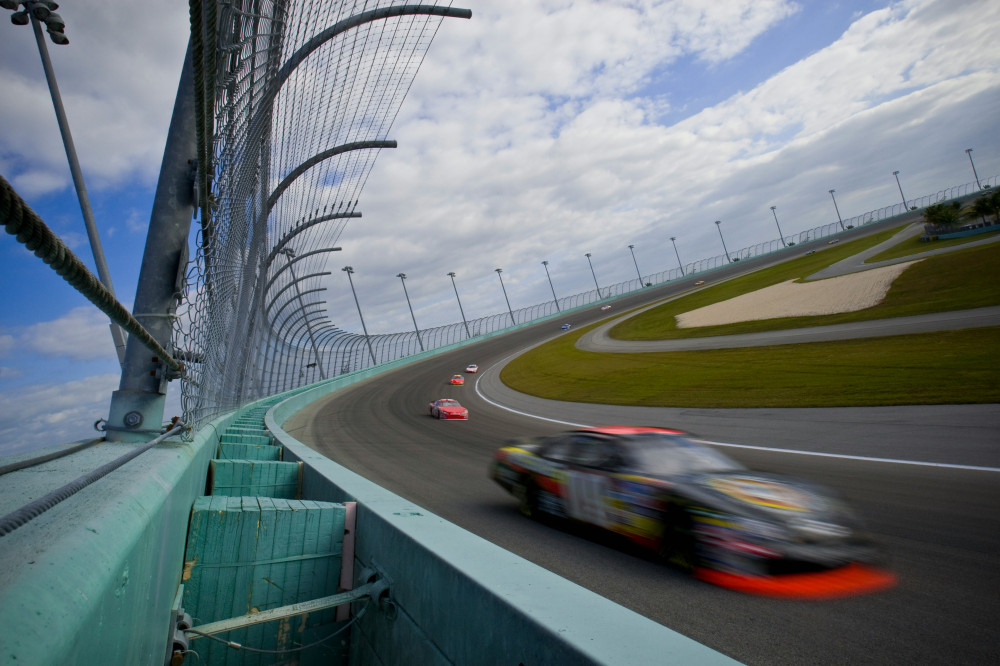
- Fast, flowing corners – like those at Silverstone or Suzuka – demand aerodynamic efficiency and confidence. Small differences in downforce can translate into significant lap time advantages.
A useful approach is to look at past performance on similar circuits. Teams that thrive in technical sections often repeat that success, while those relying on straight-line speed may struggle on twistier layouts.
Læs også:

Surface: Grip, Tyre Wear and Temperature
Track surface is one of the most underestimated factors in race analysis. It affects grip levels, tyre degradation and car setup.
- Smooth asphalt offers less grip but tends to be gentler on tyres, allowing for longer stints and fewer pit stops.
- Rough or uneven surfaces increase tyre wear and force teams to adopt more conservative strategies.
- Temperature also plays a major role: hot tarmac accelerates tyre degradation, while cooler conditions make it harder to bring tyres up to optimal temperature.
Before a race, check whether the track has been recently resurfaced or if it’s known for low grip. These details can shift the competitive balance and give you an edge in your predictions.
Elevation and Weather: The Hidden Variables
Some circuits, such as Mexico City’s Autódromo Hermanos Rodríguez, sit at high altitude, where thinner air reduces engine power and affects aerodynamics. Others, like Spa, feature dramatic elevation changes that challenge braking stability and car balance.
Weather is another unpredictable factor. British circuits like Silverstone or Donington Park are notorious for changeable conditions – a sudden shower can transform the race and favour drivers skilled in wet-weather control.
How to Use Track Characteristics in Your Predictions
When preparing your race analysis, ask yourself three key questions:
- Does the circuit layout suit the car’s strengths? Review how teams have performed on similar tracks in the past.
- How will the surface and temperature affect tyre strategy? Tyre management often decides races, especially on abrasive or high-degradation circuits.
- Are there external factors that could alter the race dynamic? Altitude, rain or wind can all create unexpected outcomes.
By combining these insights with data on driver form and team development, you’ll gain a more complete picture of how a race might unfold – and improve the accuracy of your predictions.
The Track as the Key to Understanding
A circuit is more than just a backdrop; it’s an active player in every race. It highlights strengths, exposes weaknesses and shapes the drama that unfolds. For those who understand its influence, the track becomes not just a stage – but the key to unlocking the deeper patterns of motorsport performance.
Læs også: