Odds and Traditions: Horse Racing in Different Countries

Odds and Traditions: Horse Racing in Different Countries
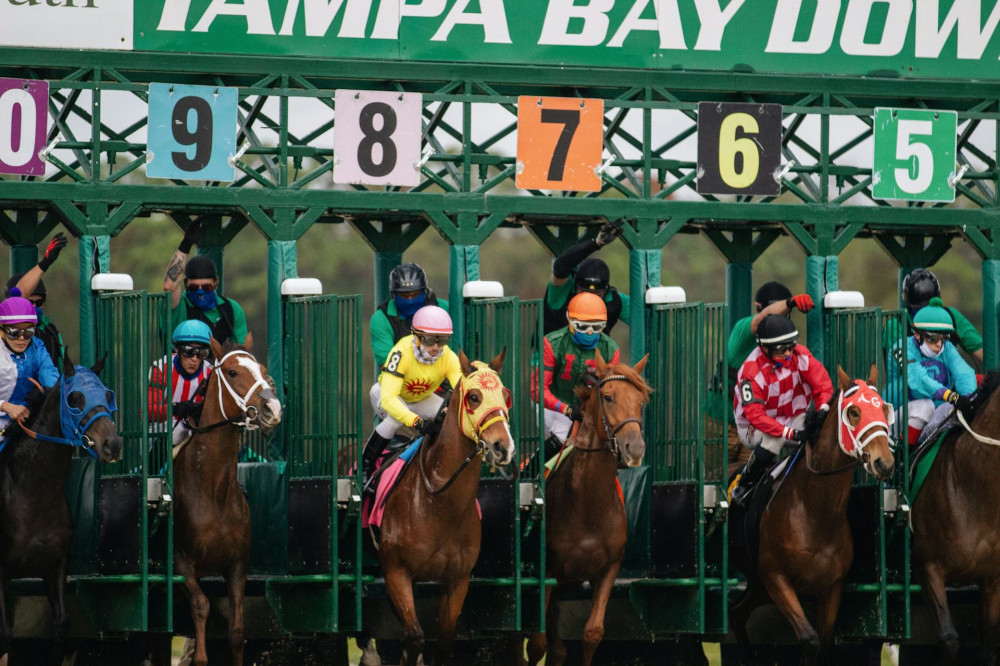
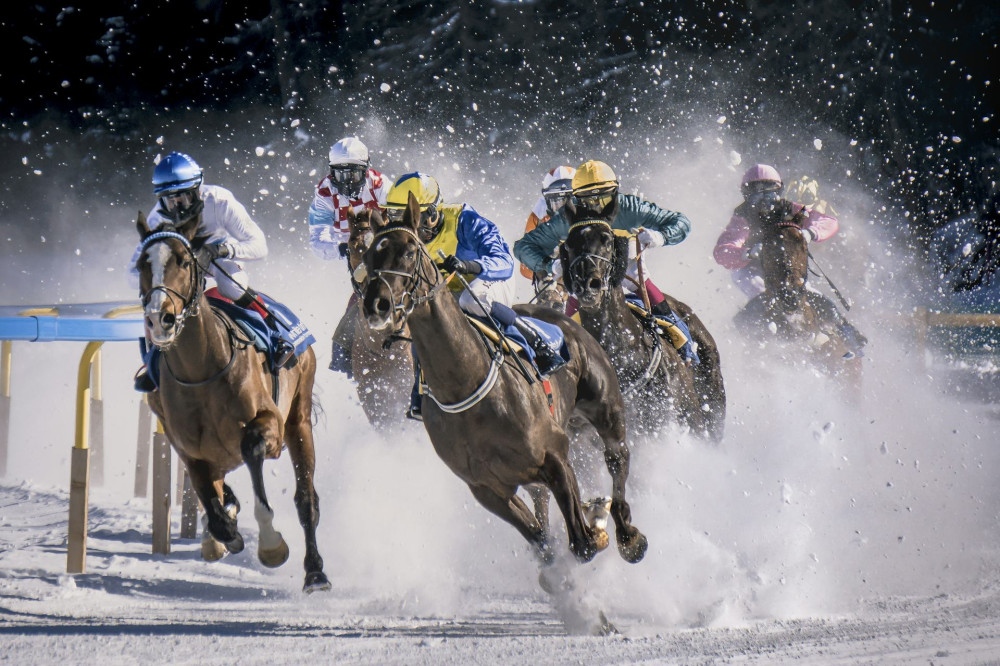
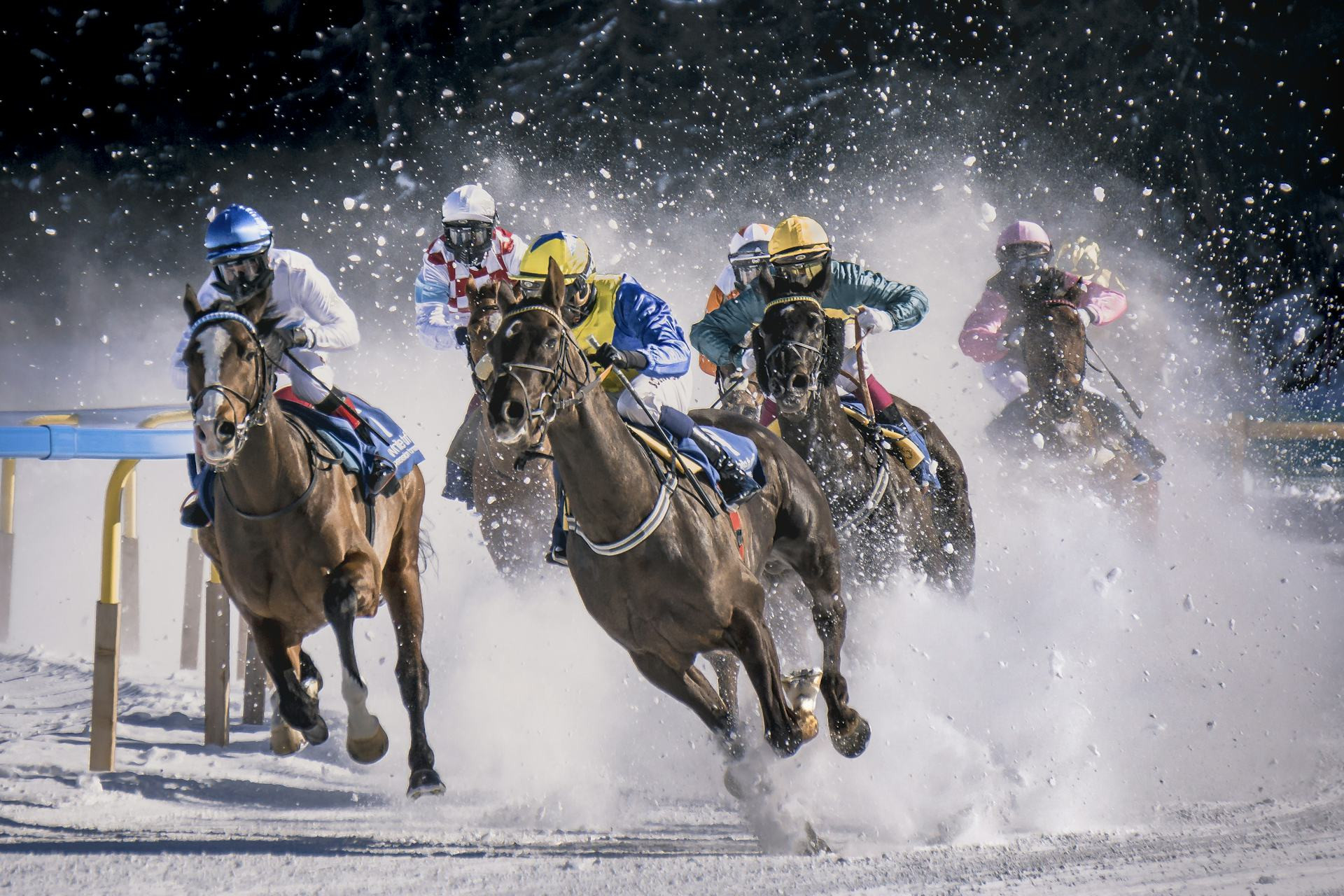
Horse racing is a sport that blends speed, tradition, and excitement – and one that has deep roots in many cultures around the world. From the grandeur of Royal Ascot in England to the vibrant festivals in Japan and the high-stakes races in the United States, horse racing is both a sport and a social event. Betting is an integral part of the experience, as spectators and punters alike try to predict the outcome of each race. But how do traditions differ from country to country – and how does that shape the way people play?
The United Kingdom – the historic heart of the sport
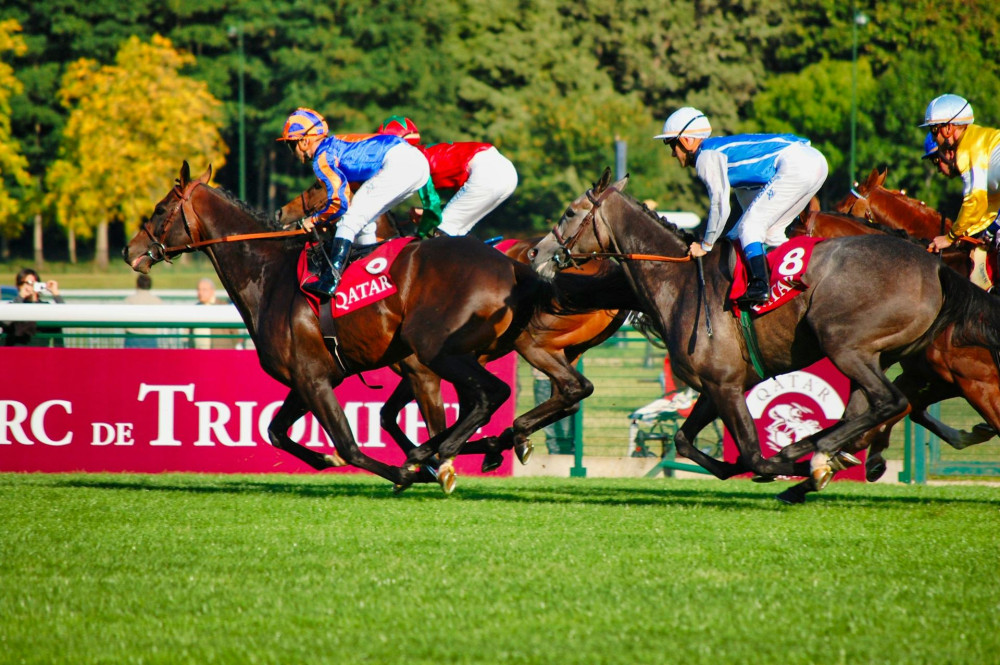
Britain is often regarded as the birthplace of modern horse racing. Organised races date back to the 17th century, and the sport has long been intertwined with the royal family and British culture.
The most famous events – such as Royal Ascot, the Grand National, and the Epsom Derby – are not just sporting occasions but also major social highlights. They combine tradition, fashion, and prestige, with spectators arriving in elegant attire and elaborate hats. Betting is part of the fun, whether it’s a small flutter with a bookmaker on the course or a wager placed online.
For many Britons, the thrill lies as much in the atmosphere and camaraderie as in the potential winnings. The roar of the crowd as the horses thunder down the final stretch is a sound that captures the spirit of British racing.
France – elegance and strategy
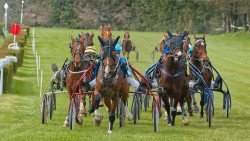
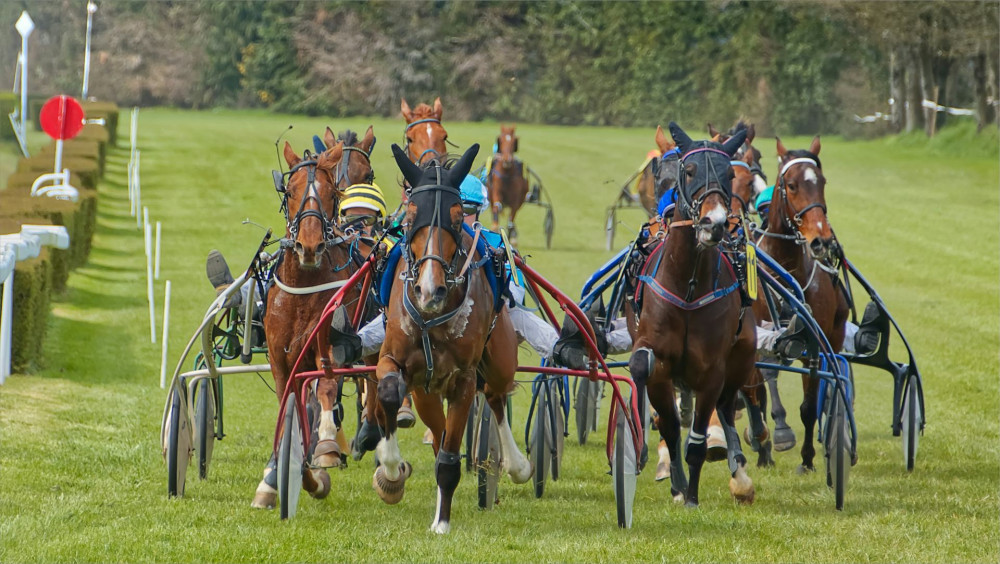
In France, horse racing carries an air of sophistication and a focus on strategy. The country is particularly known for its trotting races, where horses pull a small cart called a sulky, and the driver’s skill is crucial.
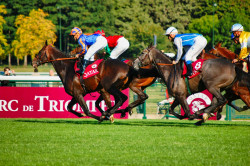
The most prestigious event is the Prix d’Amérique, held annually in Paris, attracting both professional punters and casual fans. French betting often takes a more analytical approach: players study the horses’ form, the driver’s experience, and track conditions before placing their bets.
France also operates a state-regulated betting system known as PMU (Pari Mutuel Urbain), where all stakes go into a shared pool and winnings are distributed among those who backed the winners – a model that differs from the traditional bookmaker odds used in Britain.
The United States – spectacle, speed, and big prizes
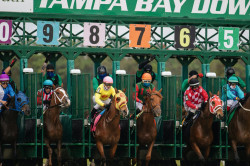
In the United States, horse racing is synonymous with glamour and high stakes. The three most famous races – the Kentucky Derby, Preakness Stakes, and Belmont Stakes – make up the Triple Crown, a rare and coveted achievement in the sport.
American racecourses are often designed as entertainment venues, offering food, music, and festivities alongside the racing. Betting takes place both on-site and online, and many Americans enjoy placing bets based on personal favourites or inspiring stories rather than pure statistics.
The atmosphere is one of celebration and spectacle – a reflection of the American love for showmanship and competition.
Læs også:


Japan – tradition meets technology
In Japan, horse racing has evolved into a modern national pastime. The country boasts some of the world’s most advanced racecourses, and events attract millions of viewers both in person and via live streaming.
Japanese fans are known for their enthusiasm and deep respect for the horses. Many follow particular jockeys or stables with the same devotion that Europeans reserve for football clubs. Betting is widespread and state-regulated, with digital platforms making it easy to participate.
Beyond the betting, there’s a strong cultural element: horse racing in Japan embodies values such as discipline, honour, and perseverance – qualities deeply rooted in Japanese tradition.
Scandinavia – the stronghold of harness racing
In Denmark, Sweden, and Norway, harness racing and monté racing (where the jockey rides the trotting horse) dominate the scene. The focus here is less on glamour and more on the sport’s technical aspects and community spirit.
In Denmark, Charlottenlund Racetrack and Aalborg Racecourse are among the best known, while Sweden hosts the legendary Elitloppet, one of the world’s premier trotting events.
Betting in Scandinavia is mainly conducted through state-run operators such as Danske Spil and ATG in Sweden, with profits reinvested into the sport. Many fans form betting groups to analyse races and share insights – turning the experience into a social activity as much as a game of chance.
A global sport with local souls
Although horse racing is now a global sport, each country brings its own traditions and character. In Britain, it’s about history and elegance; in France, strategy and refinement; in the United States, spectacle and drama; in Japan, technology and passion; and in Scandinavia, community and sportsmanship.
What unites them all is the fascination with the horse’s power, the rhythm of the race, and that fleeting moment when anything can happen. Whether one bets for fun or with careful analysis, horse racing remains a sport that connects people across cultures – with the odds as part of the thrill.
Læs også: