The Importance of the Surface – How the Type of Track Affects Horses’ Performance

The Importance of the Surface – How the Type of Track Affects Horses’ Performance
When horses race, it’s not only speed, strength, and the jockey’s tactics that determine the outcome. The surface beneath their hooves plays a crucial role in how they move, how fast they can accelerate, and how likely they are to sustain injuries. The difference between turf, dirt, and synthetic tracks can be as significant as the difference between running on grass or tarmac for a human athlete. In this article, we explore how track type influences performance – and why trainers, jockeys, and punters alike should pay close attention to it.
Turf – tradition and natural resilience
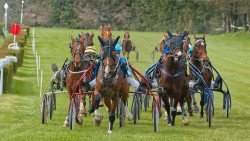
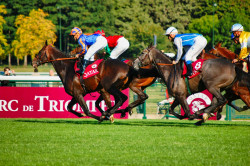
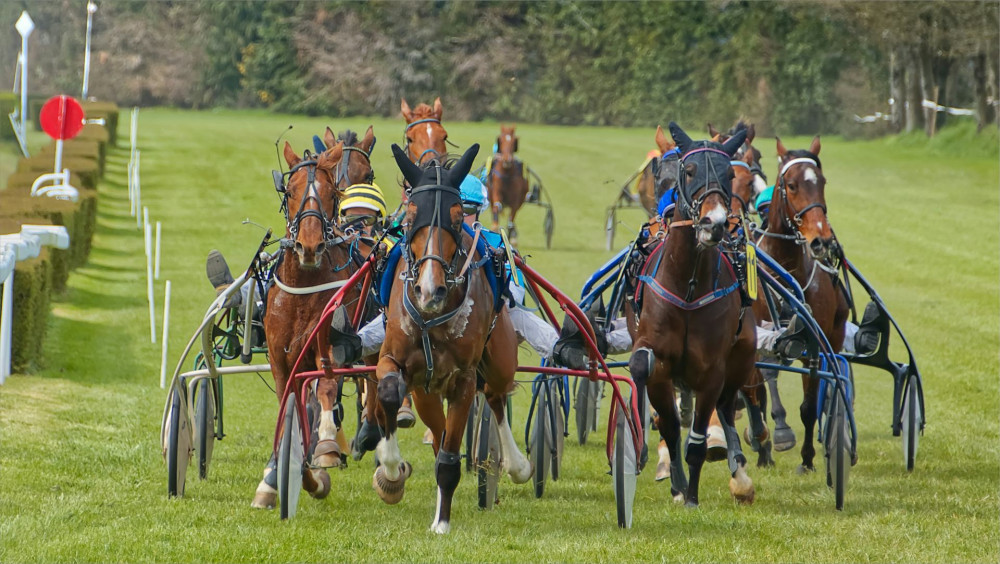
Turf is the traditional surface of British racing and remains the hallmark of many of the country’s most prestigious courses, from Ascot to Newmarket. It provides a natural, springy surface that many horses prefer. Grass cushions impact, reducing strain on tendons and joints, but it also demands careful maintenance to ensure consistency.
Weather is a major factor. After heavy rain, the going can become soft or heavy, slowing races and favouring strong, stamina-based horses. In dry spells, the ground firms up, producing faster times but increasing the risk of concussion injuries. Trainers often adjust a horse’s training regime and shoeing to suit the expected going, and punters study the official “going report” closely before placing their bets.
Dirt – speed and stamina
While dirt tracks are rare in Britain, they dominate racing in the United States and parts of the Middle East. Dirt surfaces tend to be faster and more predictable than turf, but they also kick up more debris and can be harder on a horse’s legs. Horses that perform well on dirt often have a powerful, front-running style and a strong ability to maintain speed over distance.
A well-prepared dirt track offers good grip and drainage, but if it becomes too dry or compacted, it can increase the risk of injury. British trainers with horses competing abroad often prepare them on similar surfaces to help them adapt to the different feel and stride pattern required.
Synthetic tracks – consistency and safety
In recent decades, synthetic or “all-weather” tracks have become an important part of British racing, particularly during the winter months. Courses such as Kempton Park, Wolverhampton, and Newcastle use surfaces made from a blend of sand, rubber, fibres, and wax. These materials create a consistent, weather-resistant surface that remains reliable even in heavy rain or frost.
Research suggests that synthetic tracks can reduce certain types of injuries by absorbing shock more effectively than hard ground. However, they can also alter a horse’s gait slightly, and not every horse takes to them. Some thrive on the even, forgiving surface, while others perform better on natural turf. Understanding a horse’s preferences is key when assessing its chances on race day.
Læs også:



The going – a decisive factor
Even within the same surface type, conditions can vary dramatically. Turf tracks, for example, are officially described as “heavy,” “soft,” “good,” or “firm,” and these ratings have a major impact on race outcomes. Horses with strong builds and endurance often excel on soft ground, while lighter, speedier types prefer firmer going.
For trainers and punters, monitoring the going is essential. A horse that has previously won on soft ground may struggle on a quick surface, and vice versa. Small details like these can make the difference between victory and defeat.
Training and adaptation – the path to success
Professional trainers tailor their horses’ routines to the surfaces they will encounter. Many alternate between turf, synthetic, and sand gallops to strengthen muscles and tendons evenly. Some horses are fitted with specially designed shoes to improve grip on particular surfaces.
For jockeys, sensitivity to the surface is equally important. An experienced rider can adjust pace, balance, and stride length during a race to help the horse find its rhythm and conserve energy. The best performances come when horse and rider work in harmony with the track beneath them.
The surface as a strategic element
In modern racing, the surface is far more than a practical detail – it’s a strategic factor that influences training, tactics, and betting decisions. A deep understanding of how different tracks behave allows trainers to plan campaigns more effectively and gives punters valuable insight into likely outcomes.
Next time you watch a race, remember that victory isn’t determined by speed alone. It’s also about how horse and surface interact – how the animal feels underfoot, how it grips, and how confidently it can unleash its full potential.
Læs også: