Reading the Horse: Movement and Posture as Indicators of Form

Understand what a horse’s movement and posture reveal about its condition and readiness
Trot
Trot
7 min
Learn how to interpret a horse’s physical and behavioural signals to assess its form and mindset. From balance and rhythm to muscle tone and attitude, this guide helps trainers, riders, and racegoers sharpen their eye for equine performance.
Benjamin Simpson
Benjamin
Simpson

Reading the Horse: Movement and Posture as Indicators of Form

Understand what a horse’s movement and posture reveal about its condition and readiness
Trot
Trot
7 min
Learn how to interpret a horse’s physical and behavioural signals to assess its form and mindset. From balance and rhythm to muscle tone and attitude, this guide helps trainers, riders, and racegoers sharpen their eye for equine performance.
Benjamin Simpson
Benjamin
Simpson

Being able to “read” a horse is about far more than knowing its record on paper. A horse’s movement, posture and demeanour can reveal how it feels physically and mentally – and offer valuable clues about its current form. For trainers, riders and racegoers alike, the ability to interpret these signals is an essential skill.

The Overall Impression – the First Sign of Form

When a horse steps into the parade ring, the first impression often tells you the most. A horse in good form moves with energy and confidence, without appearing tense. Its eyes are bright, ears alert, and tail carried naturally. A tired or off‑form horse, by contrast, may move heavily, carry its head low and lack sparkle in its expression.

Experienced observers often talk about the “glow” of a horse – that special blend of calmness and vitality that marks an animal ready to perform at its best.

Rhythm and Balance in Movement

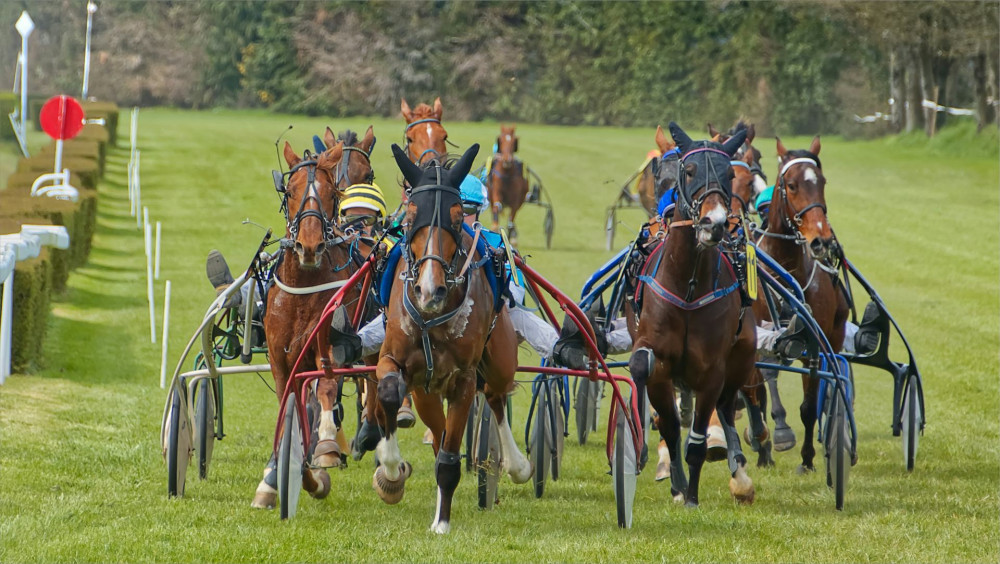
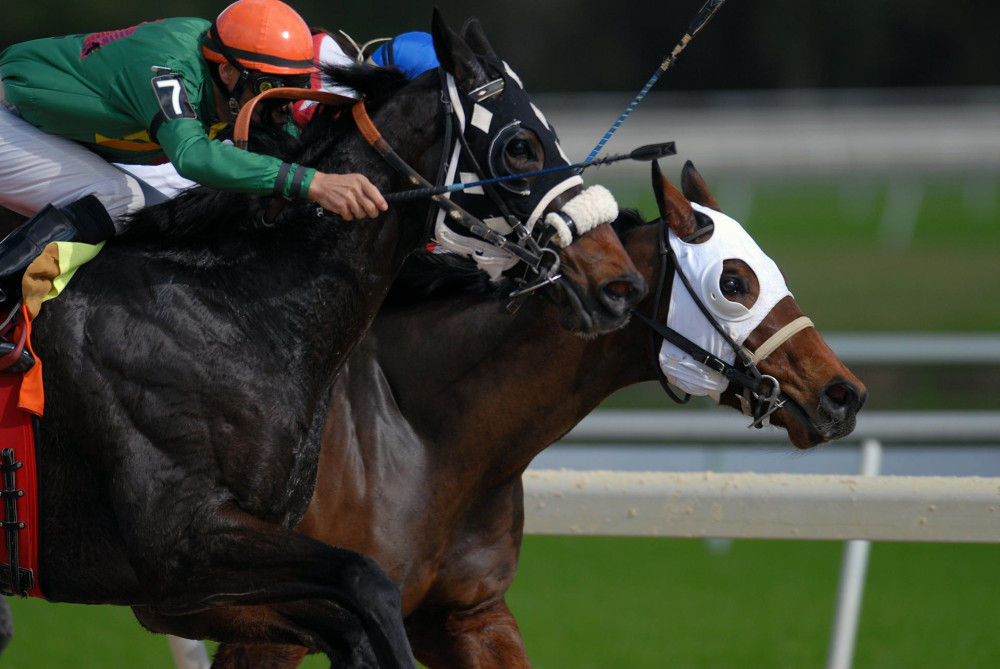
Movement is one of the clearest indicators of a horse’s physical condition. A balanced horse moves rhythmically and fluidly, with even stride length and good engagement from behind. It uses its back freely and steps well under itself – signs of strength and suppleness.

Any unevenness, stiffness or tendency to move on the forehand can point to fatigue, muscle tension or the onset of injury. Even small changes in gait are worth noting, especially if you follow the same horse over several runs.

Posture and Muscle Tone

A horse’s posture says much about its training and fitness. A well‑conditioned horse shows even muscle development, particularly over the back, quarters and hind legs. It stands squarely, weight evenly distributed, appearing relaxed yet ready to move.

A horse out of form may look “dropped” in the back or show uneven muscle tone. You can often see it in the stable or paddock too – a horse that habitually rests the same leg may be compensating for soreness or imbalance.

Behaviour and Mental State

Form is not only physical. The mental state plays a major role in performance. A horse in good balance is focused but not anxious. It reacts to its surroundings without overreacting, and it cooperates willingly with its rider or handler.

Conversely, a horse that seems restless, skittish or irritable may be overtrained or uncomfortable. Some show it by tossing the head, grinding the bit or swishing the tail – small signals that something is not quite right.

Learning to See Patterns, Not Snapshots

Reading a horse takes patience and experience. It’s not about drawing conclusions from a single race or schooling session, but about recognising patterns over time. How does the horse move when it’s at peak fitness? How does its body language change when it’s tired or returning from a break?

Keeping notes or comparing video footage can help you spot the subtle differences that separate a horse on the up from one going off the boil.

For the Punter: Visual Clues Before the Off

For those who bet on racing, pre‑race observations can be worth their weight in gold. Many seasoned punters use the parade ring as a key part of their analysis. Here you can watch how a horse walks, reacts to the crowd and handles its handler.

A horse that walks calmly but with purpose is often in good balance. One that sweats heavily, rears or looks unsettled may be burning energy before the race even begins – a warning sign for those looking to back it.

A Blend of Knowledge and Intuition

Reading a horse is both a science and an art. It demands understanding of anatomy, training and behaviour – but also intuition and experience. The more you watch, the better you become at distinguishing between random quirks and genuine signs of form.

For the rider, it can mean smarter training decisions. For the trainer, fewer injuries. And for the punter, it might mean spotting the horse on the verge of top form before anyone else does.

Past Runs as a Guide: How to Spot Patterns in Horse Racing
Learn how analysing past performances can reveal winning trends in horse racing
Trot
Trot
Horse Racing
Betting Strategy
Race Analysis
Sports Data
British Racing
7 min
Discover how studying previous races can help you identify patterns, understand key influences, and make smarter betting decisions. Whether you’re new to the track or an experienced punter, this guide shows how past runs can turn chance into insight.
Poppy McDonald
Poppy
McDonald
The Coachman and the Horse: The Interaction That Builds Trust and Results
Discover how the bond between coachman and horse transforms skill into seamless teamwork
Trot
Trot
Horse Training
Coaching
Trust
Teamwork
Equestrian Sports
7 min
The relationship between a coachman and a horse is built on more than training and technique—it’s a dialogue of trust, respect, and intuition. Explore how this unique partnership shapes performance, communication, and success on and off the track.
Elizabeth Evans
Elizabeth
Evans
The Importance of the Surface – How the Type of Track Affects Horses’ Performance
Discover how different track surfaces can make or break a horse’s performance
Trot
Trot
Horse Racing
Track Surface
Performance
Training
Equestrian Sports
4 min
The type of surface a horse runs on can dramatically influence speed, endurance, and safety. Learn how turf, dirt, and synthetic tracks each affect performance and why understanding these differences is essential for trainers, jockeys, and racing enthusiasts.
Rhiannon Turner
Rhiannon
Turner
Reading the Horse: Movement and Posture as Indicators of Form
Understand what a horse’s movement and posture reveal about its condition and readiness
Trot
Trot
Horse Training
Equine Behaviour
Race Preparation
Horse Health
Riding Skills
7 min
Learn how to interpret a horse’s physical and behavioural signals to assess its form and mindset. From balance and rhythm to muscle tone and attitude, this guide helps trainers, riders, and racegoers sharpen their eye for equine performance.
Benjamin Simpson
Benjamin
Simpson
Odds and Traditions: Horse Racing in Different Countries
Discover how culture, tradition, and betting shape the world of horse racing
Trot
Trot
Horse Racing
Sports Culture
Betting
International Traditions
Equestrian Sports
3 min
From the elegance of Royal Ascot to the energy of Japan’s racing festivals, horse racing reflects the spirit of each nation. Explore how different countries celebrate the sport, their unique customs, and the ways betting and tradition intertwine on the global racing scene.
Mabel Green
Mabel
Green
Learn to Identify Value Bets Through Market Patterns
Discover how reading market movements can reveal hidden betting opportunities
Bet
Bet
Sports Betting
Value Bets
Market Analysis
Betting Strategy
Data Insights
3 min
Learn how to spot value bets by analyzing market patterns and understanding where odds may not reflect true probabilities. This guide shows how data, discipline, and market insight can help you make smarter, more profitable betting decisions.
Poppy McDonald
Poppy
McDonald
Bankroll Management: The Key to a Stable and Sustainable Betting Economy
Master the art of managing your betting funds for long-term success
Bet
Bet
Bankroll Management
Sports Betting
Responsible Gambling
Money Management
Betting Strategy
4 min
Discover how effective bankroll management can transform your betting experience from risky to sustainable. Learn practical strategies to protect your funds, stay disciplined, and build a stable betting economy that lasts.
Elizabeth Evans
Elizabeth
Evans
Risk and Reward in the Brain – Why We Sometimes Take Irrational Gambles
How our brain’s chemistry drives us to take chances — even when logic says we shouldn’t
Bet
Bet
Neuroscience
Psychology
Decision Making
Behavioural Economics
Human Nature
7 min
From slot machines to stock markets, our brains are wired to seek rewards and sometimes ignore the risks. Discover how dopamine, emotion, and evolution shape our decisions and why “near misses” can keep us hooked on the thrill of the gamble.
Rhiannon Turner
Rhiannon
Turner