The Coachman and the Horse: The Interaction That Builds Trust and Results

Discover how the bond between coachman and horse transforms skill into seamless teamwork
Trot
Trot
7 min
The relationship between a coachman and a horse is built on more than training and technique—it’s a dialogue of trust, respect, and intuition. Explore how this unique partnership shapes performance, communication, and success on and off the track.
Elizabeth Evans
Elizabeth
Evans

The Coachman and the Horse: The Interaction That Builds Trust and Results

Discover how the bond between coachman and horse transforms skill into seamless teamwork
Trot
Trot
7 min
The relationship between a coachman and a horse is built on more than training and technique—it’s a dialogue of trust, respect, and intuition. Explore how this unique partnership shapes performance, communication, and success on and off the track.
Elizabeth Evans
Elizabeth
Evans

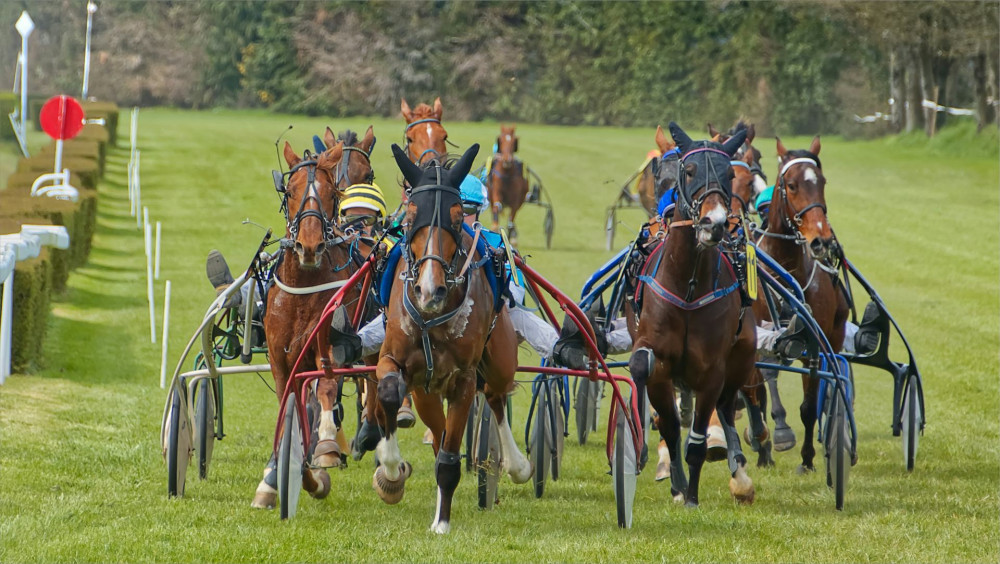
When the horse is harnessed and the coachman takes the reins, a partnership begins that depends on far more than speed or strength. It is about trust, timing, and understanding – a connection where human and animal must move as one. In British harness and racing circles, this relationship often determines whether a race ends in victory or disappointment.

A Partnership Built on Trust

A horse will not perform at its best if it feels uneasy. The coachman’s first task is to create a sense of safety and confidence. That process starts long before race day – in the stable, during training, and through the small routines repeated day after day. Horses are creatures of habit; they respond to calmness, consistency, and clear body language.

Trust grows when the coachman learns to read the horse’s signals: how it reacts to voice, rein pressure, and changes in pace. An experienced driver can sense when the horse is focused and when it becomes uncertain. That sensitivity cannot be taught overnight – it develops through patience and time spent together.

Communication Without Words

During a race, everything happens in seconds. There is no time to analyse each cue. The coachman must act instinctively, and the horse must understand the slightest shift in rhythm or movement. Communication happens through hands, posture, voice, and the energy the driver projects.

A nervous coachman can transmit tension to the horse, while a calm and confident one can help even a young or spirited horse settle and perform beyond expectation. It is a silent dialogue, a constant exchange of signals that both partners interpret in real time.

Training: More Than Fitness

Training is not only about building stamina and strength. It is also about developing understanding. A good coachman varies the routine so the horse is challenged both physically and mentally. Some sessions focus on speed and technique; others on relaxation and balance.

Many British trainers and drivers spend time working from the ground – leading, lunging, and handling the horse outside the harness. This groundwork strengthens the bond and makes communication smoother during competition. A horse that recognises its driver’s voice and movements will respond faster and with greater precision.

Race Day: When Partnership Is Put to the Test

On race day, everything is magnified. The crowd, the noise, and the tension can unsettle even the most seasoned horses. This is when the strength of the partnership truly shows. A coachman who knows their horse well can sense when it is ready to push forward and when it needs a moment to settle.

The best drivers often describe the feeling of “becoming one” with the horse – when every movement flows naturally, and the line between human and animal seems to disappear. It is in those moments, when trust and training merge, that great performances are born.

After the Race: Learning and Respect

Whether the race ends in triumph or defeat, the collaboration continues. A thoughtful coachman reflects not only on their own performance but also on the horse’s. How did it handle the pace? Was it tense at the start? Did it find its rhythm? Each experience adds to the shared understanding.

Respect for the horse is a cornerstone of the sport. It must be treated as an athlete – with care, patience, and empathy. A horse that feels respected will give more and stay sounder for longer.

The Interaction as the Key to Success

In the end, it is not just the horse’s speed or the coachman’s skill that brings success. It is the interaction between them. When trust, communication, and training come together, a special harmony emerges – the hallmark of the finest partnerships.

That is where the true magic of equestrian sport lies: in the meeting of human and horse, where cooperation becomes performance, and trust becomes speed.

Past Runs as a Guide: How to Spot Patterns in Horse Racing
Learn how analysing past performances can reveal winning trends in horse racing
Trot
Trot
Horse Racing
Betting Strategy
Race Analysis
Sports Data
British Racing
7 min
Discover how studying previous races can help you identify patterns, understand key influences, and make smarter betting decisions. Whether you’re new to the track or an experienced punter, this guide shows how past runs can turn chance into insight.
Poppy McDonald
Poppy
McDonald
The Coachman and the Horse: The Interaction That Builds Trust and Results
Discover how the bond between coachman and horse transforms skill into seamless teamwork
Trot
Trot
Horse Training
Coaching
Trust
Teamwork
Equestrian Sports
7 min
The relationship between a coachman and a horse is built on more than training and technique—it’s a dialogue of trust, respect, and intuition. Explore how this unique partnership shapes performance, communication, and success on and off the track.
Elizabeth Evans
Elizabeth
Evans
The Importance of the Surface – How the Type of Track Affects Horses’ Performance
Discover how different track surfaces can make or break a horse’s performance
Trot
Trot
Horse Racing
Track Surface
Performance
Training
Equestrian Sports
4 min
The type of surface a horse runs on can dramatically influence speed, endurance, and safety. Learn how turf, dirt, and synthetic tracks each affect performance and why understanding these differences is essential for trainers, jockeys, and racing enthusiasts.
Rhiannon Turner
Rhiannon
Turner
Reading the Horse: Movement and Posture as Indicators of Form
Understand what a horse’s movement and posture reveal about its condition and readiness
Trot
Trot
Horse Training
Equine Behaviour
Race Preparation
Horse Health
Riding Skills
7 min
Learn how to interpret a horse’s physical and behavioural signals to assess its form and mindset. From balance and rhythm to muscle tone and attitude, this guide helps trainers, riders, and racegoers sharpen their eye for equine performance.
Benjamin Simpson
Benjamin
Simpson
Odds and Traditions: Horse Racing in Different Countries
Discover how culture, tradition, and betting shape the world of horse racing
Trot
Trot
Horse Racing
Sports Culture
Betting
International Traditions
Equestrian Sports
3 min
From the elegance of Royal Ascot to the energy of Japan’s racing festivals, horse racing reflects the spirit of each nation. Explore how different countries celebrate the sport, their unique customs, and the ways betting and tradition intertwine on the global racing scene.
Mabel Green
Mabel
Green
Learn to Identify Value Bets Through Market Patterns
Discover how reading market movements can reveal hidden betting opportunities
Bet
Bet
Sports Betting
Value Bets
Market Analysis
Betting Strategy
Data Insights
3 min
Learn how to spot value bets by analyzing market patterns and understanding where odds may not reflect true probabilities. This guide shows how data, discipline, and market insight can help you make smarter, more profitable betting decisions.
Poppy McDonald
Poppy
McDonald
Bankroll Management: The Key to a Stable and Sustainable Betting Economy
Master the art of managing your betting funds for long-term success
Bet
Bet
Bankroll Management
Sports Betting
Responsible Gambling
Money Management
Betting Strategy
4 min
Discover how effective bankroll management can transform your betting experience from risky to sustainable. Learn practical strategies to protect your funds, stay disciplined, and build a stable betting economy that lasts.
Elizabeth Evans
Elizabeth
Evans
Risk and Reward in the Brain – Why We Sometimes Take Irrational Gambles
How our brain’s chemistry drives us to take chances — even when logic says we shouldn’t
Bet
Bet
Neuroscience
Psychology
Decision Making
Behavioural Economics
Human Nature
7 min
From slot machines to stock markets, our brains are wired to seek rewards and sometimes ignore the risks. Discover how dopamine, emotion, and evolution shape our decisions and why “near misses” can keep us hooked on the thrill of the gamble.
Rhiannon Turner
Rhiannon
Turner